
Set Clear Boundaries for AI in Reporting
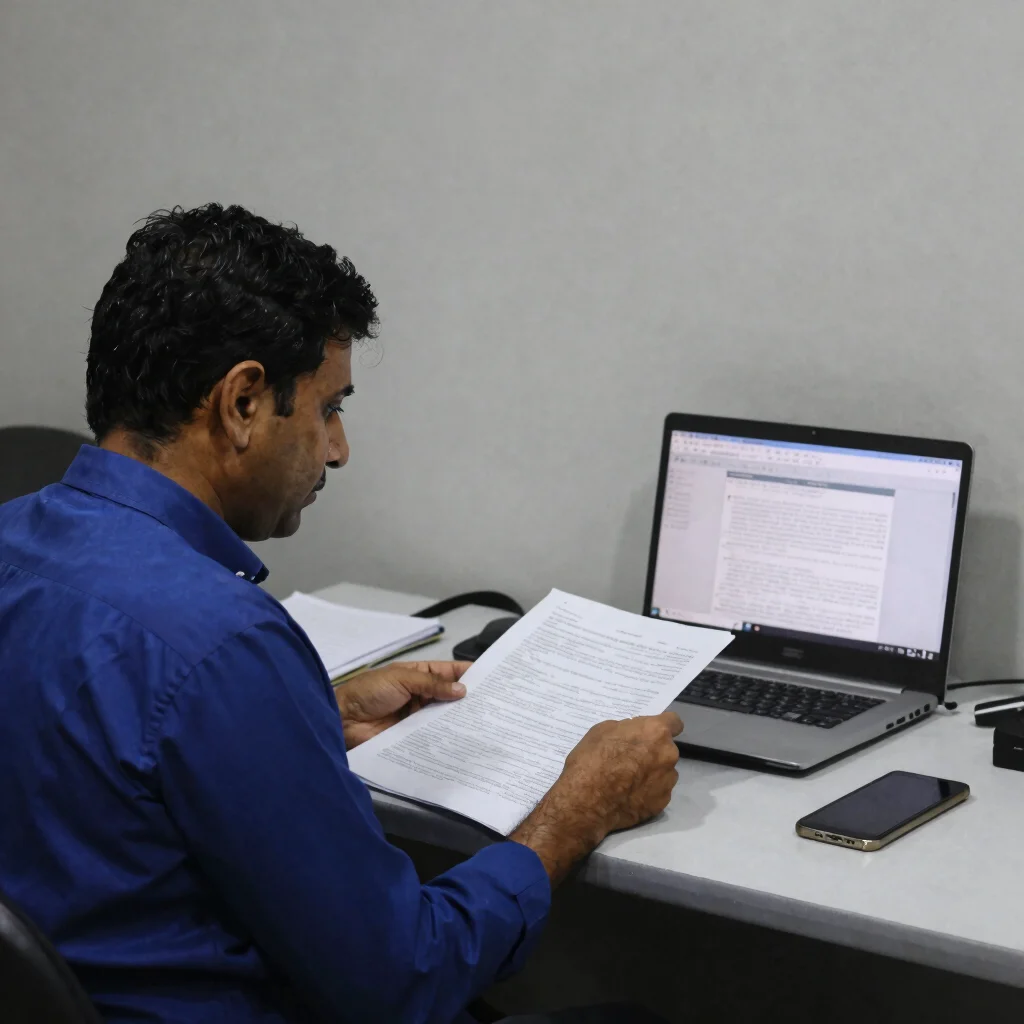
A reporter pastes a rough interview transcript into an AI tool and gets back a tidy summary in seconds. The speed is appealing, but the summary may smooth over a hesitation, miss a name or turn an uncertain phrase into a confident claim. In journalism, the important question is not whether a tool can generate useful text; it is what work a newsroom is willing to entrust to it.
Separate assistance from evidence
AI may help organise notes, suggest search terms or flag passages for a human to inspect. It cannot, by producing a plausible answer, verify a person’s identity, confirm a quotation or establish the origin of an image. Reporters should return to original recordings, documents and sources before using any generated summary in published work.
Protect source material
Before uploading an interview, document or unpublished draft, consider whether it contains personal details, confidential information or material shared on an expectation of privacy. A newsroom should check the tool’s data practices and set rules for what staff may enter, rather than leaving those decisions to individual reporters in the moment. If the terms are unclear, do not submit sensitive source material.
Keep responsibility with editors
A workable policy identifies permitted tasks, prohibited uses and the checks required before publication. It also makes clear who reviews AI-assisted work and how material errors are corrected; a disclosure may be appropriate when a tool substantially shaped the published material. The standard stays simple: a journalist or editor must be able to stand behind every factual claim, whether a tool helped draft it or not.