
A Verification Trail Readers Can Follow
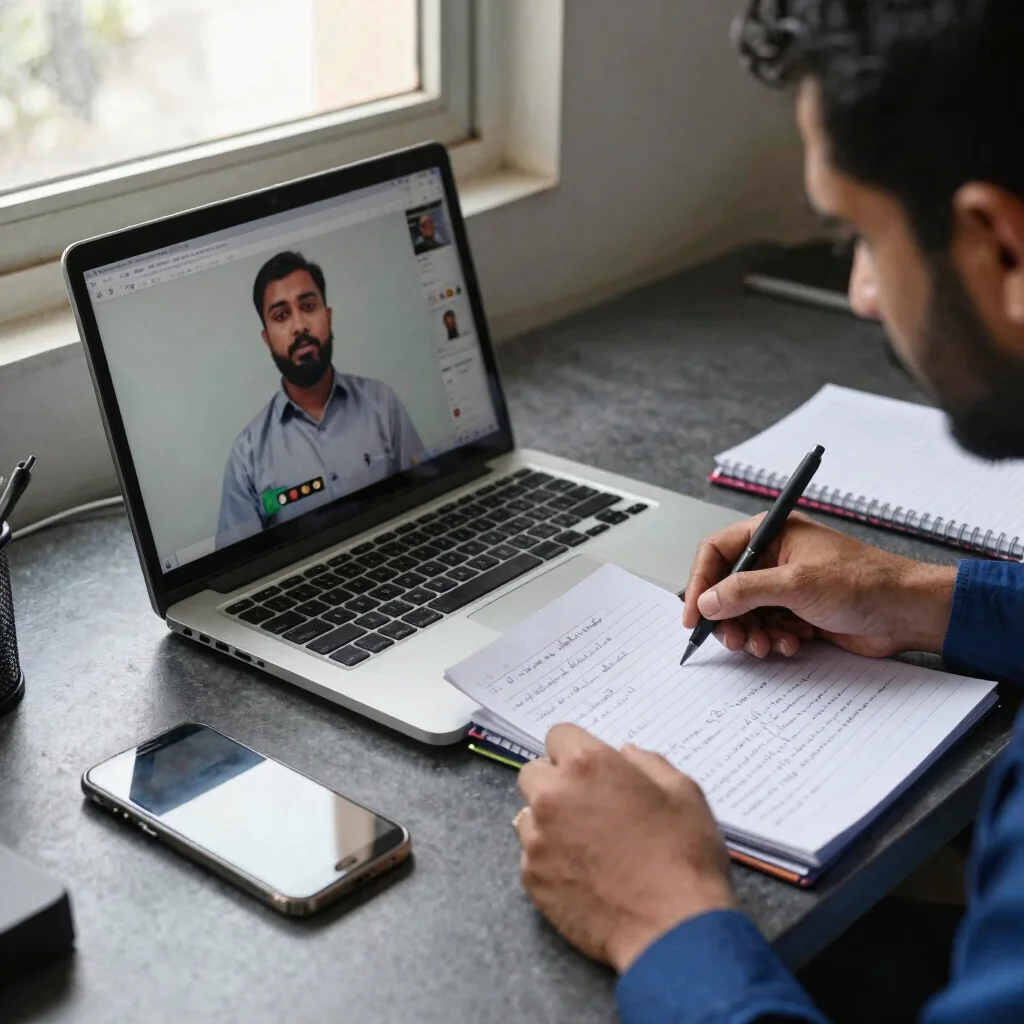
A WhatsApp screenshot arrives without a date, a source or any clue about where it first appeared. In Pakistan, where a claim may move between group chats, television clips and social feeds in minutes, the first useful question is not whether it looks convincing. It is whether another person can retrace how it was checked.
Start with the original
Treat a screenshot as a lead, not as evidence on its own. Look for the original post, recording or document, then note when and where it appeared and whether the source has a reason to know what it claims. If the original cannot be found, that absence matters and should shape what the newsroom can responsibly say.
Check what the frame leaves out
For a video, inspect the whole clip rather than the circulating excerpt: signs, landmarks, weather and language can help establish location, but none settles it alone. Search for earlier versions and compare visible details with independent material, such as a second recording or a public statement from someone directly involved. Record uncertainties too; a verification note should show the limits of the evidence, not just the parts that fit.
Make the method visible
A short explanation in the published story can tell readers what was checked, what could not be confirmed and what changed the newsroom’s assessment. Keep the underlying links, timestamps and contact attempts in an internal record so an editor or colleague can review the path later. That practice makes corrections more precise and gives readers a reason to trust the reporting process, not simply its conclusion.