
Bilingual Reporting Is More Than Translation
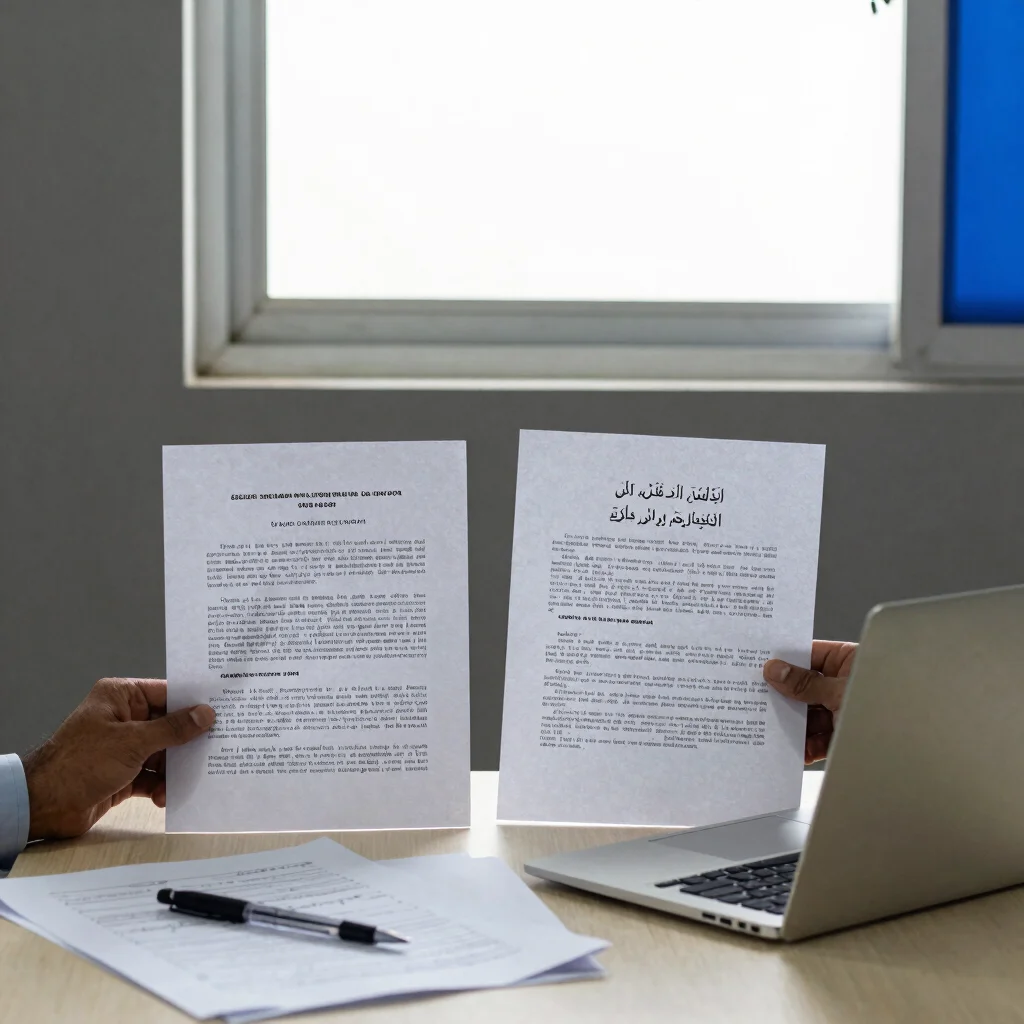
A headline that reads cleanly in English can sound stiff, vague or sharper than intended when translated directly into Urdu. That is not a reason to treat one language as the original and the other as an afterthought. For a bilingual newsroom, the job is to carry the reporting’s meaning, evidence and uncertainty across both.
Keep the claim consistent
Before drafting either version, state the story’s central claim in plain language and identify the evidence that supports it. Then write a headline and opening suited to how readers encounter the story in each language, rather than forcing the same sentence structure into both. A sharper Urdu idiom or a more natural English phrase is useful only if it preserves what the reporting can actually establish.
Translate context, not just words
Institutions, legal terms and local expressions may not have a neat one-to-one equivalent. Where a direct translation would confuse readers, add a brief explanation, retain the original term when it matters, or choose a clear description instead. Ask someone fluent in the intended register to read the copy aloud; awkward phrasing and unintended emphasis often become obvious when heard.
Review both versions together
A bilingual editor should compare the finished pieces for names, dates, numbers, attribution and caveats, not merely scan for spelling. Check that a qualification such as “according to the report” has not vanished from one version, and that a translated headline has not turned an allegation into a fact. When both editions stand on their own while telling the same story, language becomes part of the reporting rather than a final production step.